[Click] to explore Kit’s most requested speech, seminar, workshop, or virtual presentation topics.
What Audiences Say About Our Best Motivational Speaker – Kit Welchlin:
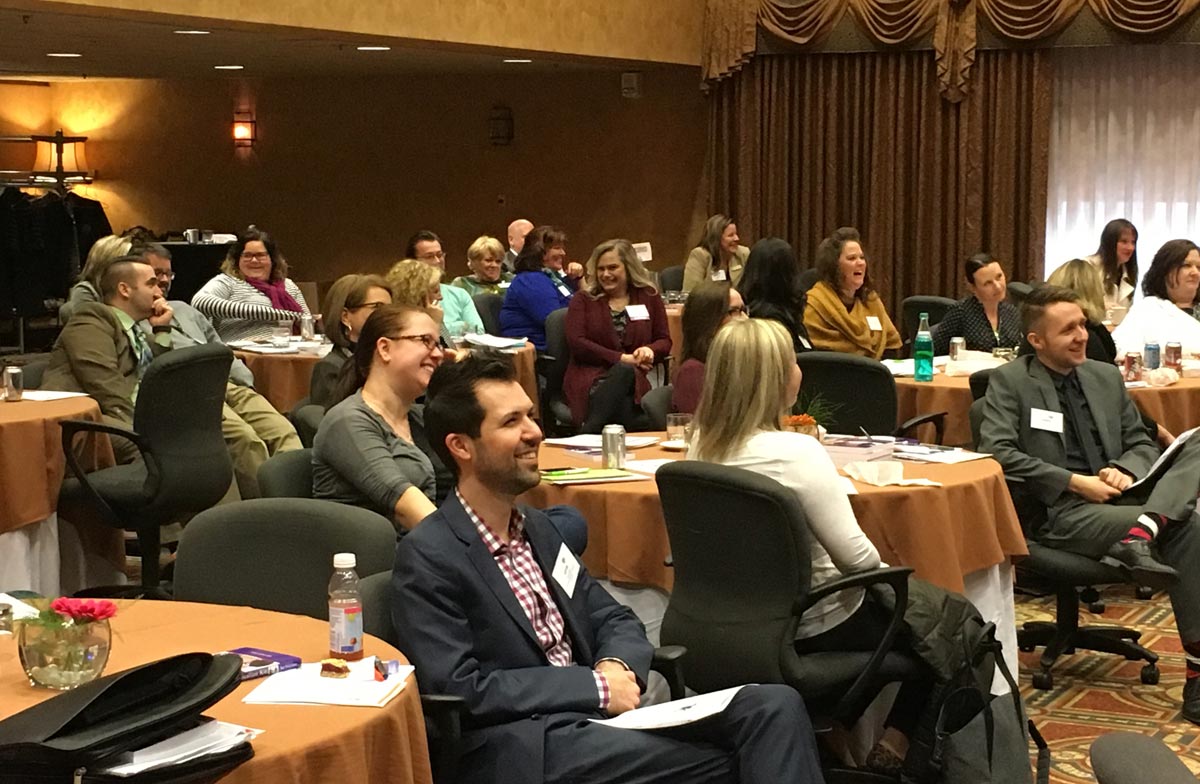
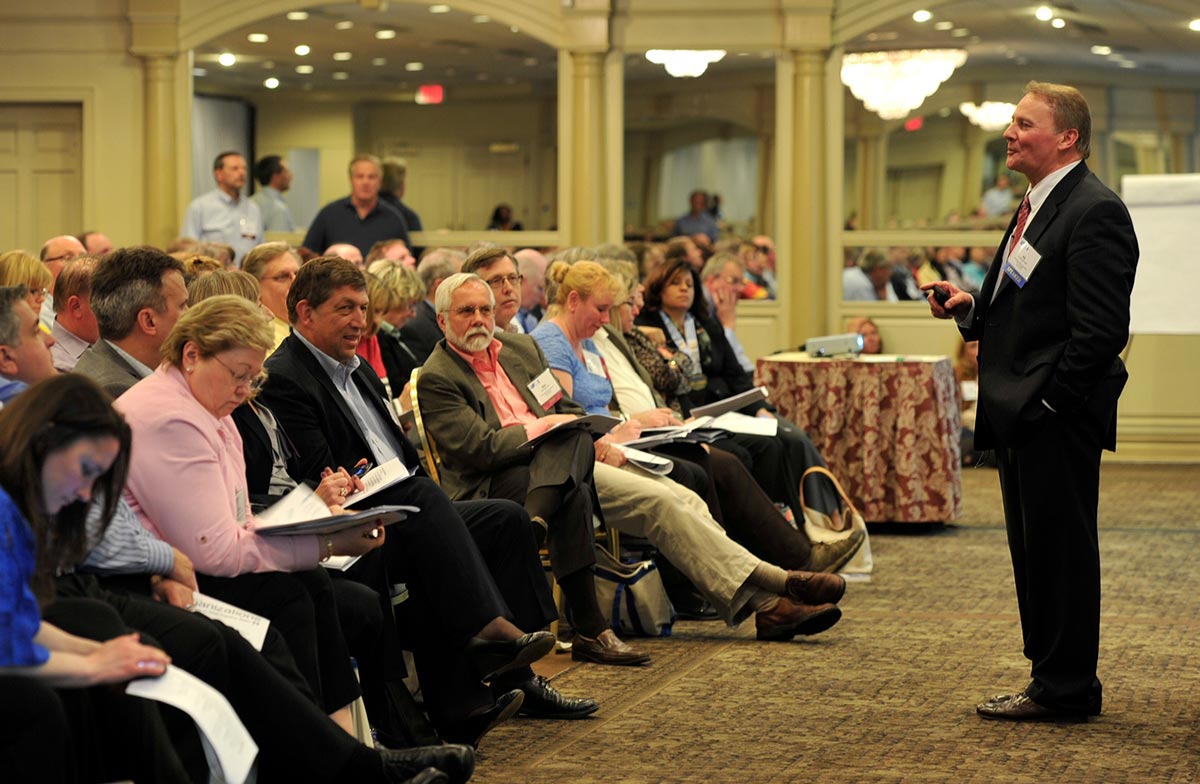
Kit’s gift is his ability to transform a passive audience into active participants who feel like they’ve engaged in a conversation. At the end of his keynote presentation, workshop or seminar, audiences walk away energized and informed, armed with new tools and strategies.
“His customized keynote presentation really hit home.”
“Months later, staff are still talking about Kit and are practicing what they learned at the event.”
“His program on handling difficult employees was rated higher than the previous 14 programs offered.”
“One of the finest sessions on communication I’ve heard!” (From a retired high school communications teacher)
“A great speaker to jumpstart the morning. His high-energy style got people awake.”
“…[His] presentation…gave us practical, actionable steps that will make our management team even more effective.”
“We’ve received great feedback on [Kit’s] presentation and the practical use for building teams. We appreciated the opportunity to get you know [him] and what [he] can offer us in the future. We’ll certainly keep in touch!”
“Attendees offered many accolades about the content of the training materials and the fun delivery of an entertaining presentation! Great job!”
Professional And Motivational Best Keynote Speaker (Partial Client List)
Kit is equal parts teacher, entertainer and down-to-earth guy. This combination has helped him earn the respect and appreciation of audiences from a wide variety of organizations.
Kit’s goal is for each presentation is for each audience member to literally take it personally, understanding how they can implement Kit’s ideas, proven methods and techniques in their own lives.




























See All Clients:
Who’s Who Among Best Keynote And Motivational Speakers
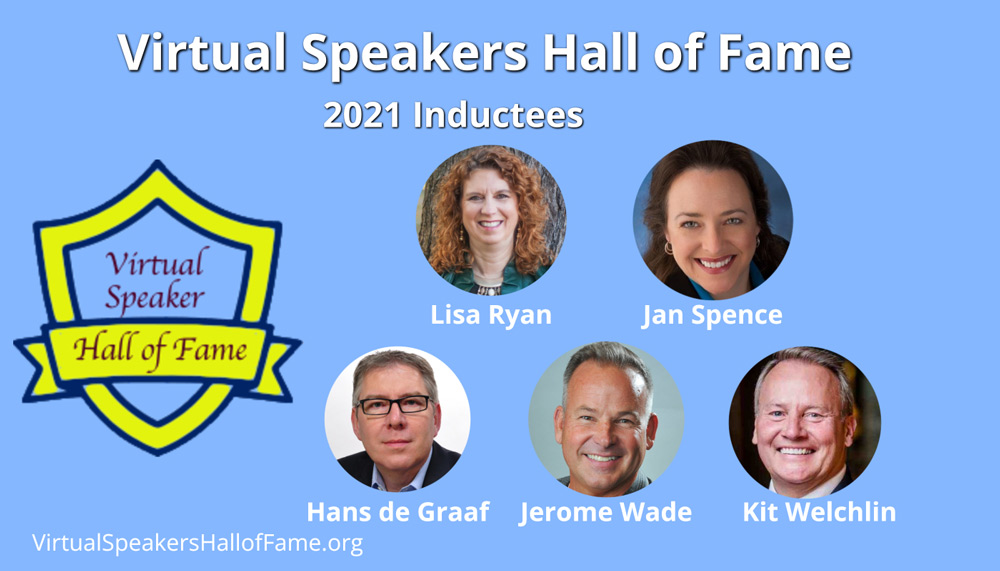
- In 2014, Kit was inducted into the Minnesota Speakers Association Hall of Fame.
- He has delivered more than 3,000 speeches and seminars to more than 500,000 people.
- In 2018, Kit earned the Certified Speaking Professional designation from the National Speakers Association.
- In 2020, Kit earned the Certified Virtual Presenter designation from eSpeakers.
One of the busiest keynote and professional speakers in the U.S., Kit Welchlin is often described as “high energy” and “entertaining.” Kit weaves his light-hearted sense of humor and practical stories and strategies into his keynote presentations and seminars, whether he’s speaking about how to improve customer service, stress management in the workplace, intergenerational communication or how to handle difficult people.
Listed among Who’s Who in Professional Speaking, Kit is a born public speaker who began public speaking at the tender age of nine. By age 16, he was speaking on leadership, citizenship, community service and motivation for the 4-H and Future Farmers of America.
A member of the National Speakers Association, Kit taught at Mankato State University where he received the Teaching Excellence Award and at Metropolitan State University where he was repeatedly nominated Outstanding Faculty.
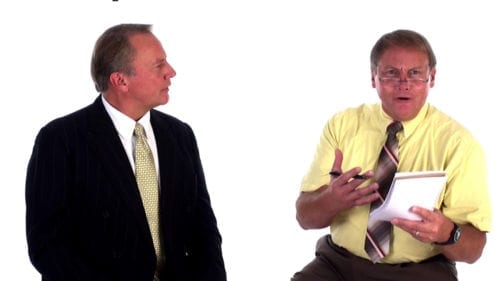
Watch some excerpts from a few of Kit’s virtual presentations
“Kit Welchlin – Virtual Presenter – One of the top motivational speakers and top keynote speakers in the country.”
- Many of my clients are staying connected to staff, customers, or members, by having me present virtual presentations.
- I provide high-energy and high-content virtual presentations through Engagez, GoToMeeting, GoToWebinar, Google Meet, Hopin, Loom, Meetview, Microsoft Teams, StreamYard, Webex, and Zoom.
Watch excerpts of virtual presentations delivered by Kit Welchlin. Often referred to as the best keynote speaker people have ever heard. Kit Welchlin shares de-escalation strategies and how to handle difficult people. Listen and watch one of the best motivational speakers discuss how to organize your thoughts and conversations to enhance listening retention and improve listening interpretation. As a corporate keynote speaker, Kit explains the four intentions we all have at work and what happens when those intentions are not fulfilled. If you need to find a keynote speaker, Kit Welchlin is hired repeatedly as a keynote speaker for conferences. As a speaker on stress management, Kit defines stress as simply wear and tear caused by life. As a healthcare keynote speaker Kit reminds clients that the mind has a hard time telling the difference between what is real or well-imagined. Stress management strategies help to relieve the tension. As a speaker on leadership, Kit describes that change can be quick, however transition takes a little or a lot longer. If a person anticipates the four stages of transition they can become a quick-change artist. Top keynote speakers help attendees identify some of the mistakes we make in dealing with change. Top motivational speakers point out environmental time wasters that can rob you of your productivity.